
NewsChautari.ai
Sunsari Farmers Embrace Jute Farming Amid Rising Demand

Sunsari Farmers Embrace Jute Farming Amid Rising Demand

Published 1 day ago

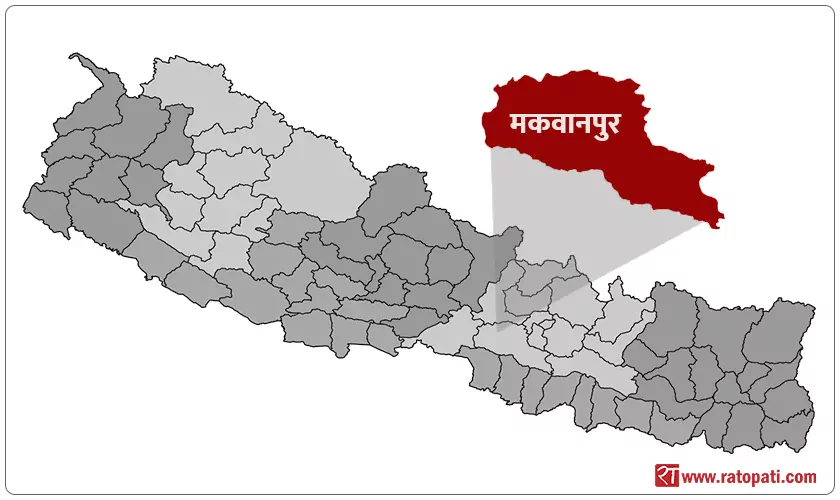
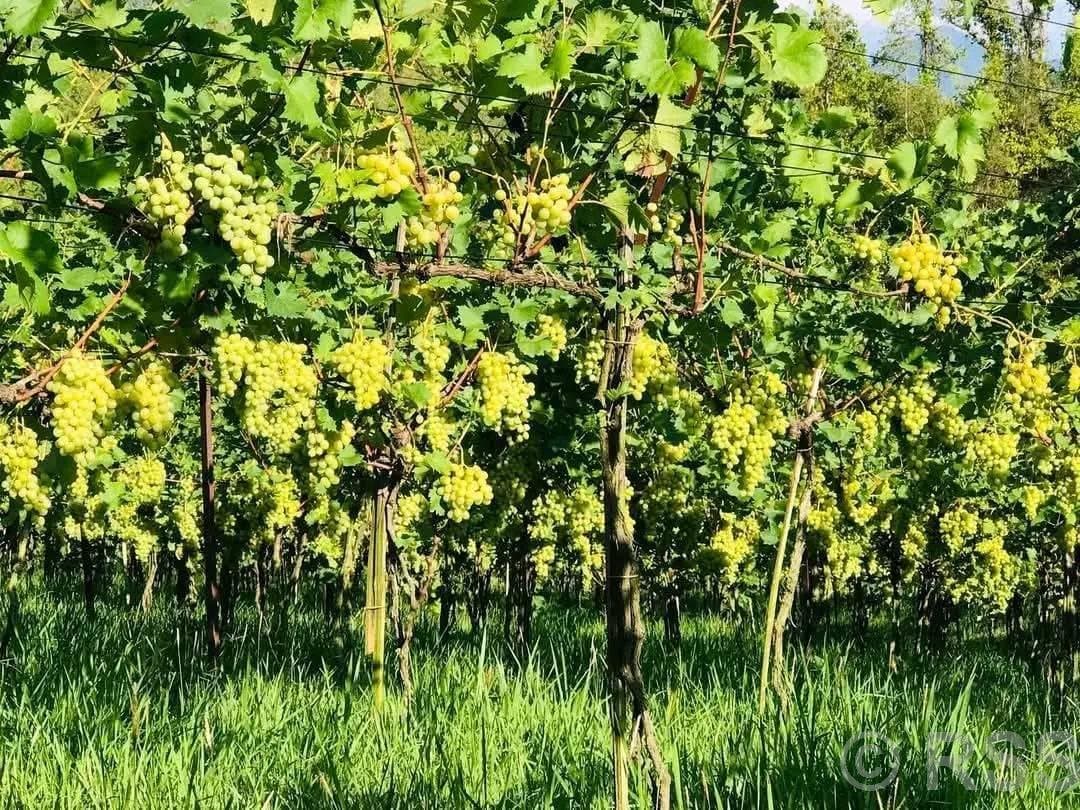
Farmers in Sunsari district, Nepal, are increasingly turning toward jute cultivation due to rising market prices and growing demand from local industries. According to recent reports from August 2025, farmers like Tara Mandal from Bhokraha Narsingh have expanded their farming, generating annual incomes ranging from Rs 200,000 to Rs 300,000 from a single bigha of land. Local traders conveniently purchase the processed jute directly from the fields. The Jute Research Center in Itahari and the provincial government are actively supporting farmers with seeds, technical assistance, and weed control methods. Official data from the Agriculture Knowledge Center shows that jute cultivation acreage in Sunsari increased from 1,308 hectares in the previous fiscal year to 1,334 hectares this year. This surge in local production is successfully reducing Nepal's historical reliance on raw jute imports from Bangladesh and India.

Rato Pati
From Qatar Labor to Janakpur Cafe Owner: Kamal's Story

From Qatar Labor to Janakpur Cafe Owner: Kamal's Story

Published 1 day ago

After spending ten arduous years working in Qatar, Kamal Ansari has returned to Nepal to start his own business, 'Janakpur Foods Cafe', located between Ramanand Chowk and Pidari Chowk in Janakpurdham. Leaving Nepal at the age of twenty due to financial hardship and a lack of local capital, Ansari worked up to fourteen hours a day as a supervisor in Qatar. Driven by the desire to reunite with his family and build a stable life at home, he invested 10 lakh rupees of his Gulf savings into the cafe. The business currently employs four local staff members. Ansari advocates for government support and accessible capital for domestic entrepreneurs, emphasizing that young Nepalis should have employment opportunities within their own country rather than enduring the hardships of foreign labor.

Rato Pati
Ex-soldier makes millions from dragon fruit farming

Ex-soldier makes millions from dragon fruit farming

Published 1 day ago

Kripashwor Ghale Gurung, a retired Indian Army soldier from Ramdhuni, Sunsari, has achieved remarkable success through commercial dragon fruit farming. After serving 28 years in the military, he established the 'Sarjuma Dragon Fruit Agriculture Farm' in 2017 on two bighas of land, starting with a single plant brought from Malaysia. Today, his farm generates an annual income of 55 to 60 million rupees by producing over 30 metric tons of fruit and selling saplings. Dragon fruit yields multiple times a season, providing a steady income stream despite annual operational costs of around 8 to 9 million rupees. His produce is supplied to major Nepali cities including Kathmandu, Pokhara, and local Sunsari markets. Gurung believes that with dedication, Nepali youth can achieve financial prosperity at home rather than migrating abroad for employment.

Rato Pati
Myagdi Allocates Rs 3 Crore for Farmer Grants

Myagdi Allocates Rs 3 Crore for Farmer Grants

Published 1 day ago

The Gandaki provincial government has allocated over three crore rupees in the fiscal year 2083/84 to distribute agricultural grants to farmers in Myagdi district. Out of a total budget of 4.78 crore rupees, Rs 3.11 crore is specifically designated for various grant programs targeting fruit, vegetable, potato, and food crop cultivation. Agricultural farms, cooperatives, and farmer groups can receive between 50 to 80 percent subsidies. Senior Agriculture Development Officer Sanjiv Bastola stated that the funding aims to boost productivity, expand irrigation and mechanization, promote commercial farming, preserve indigenous crops, and support climate-smart agriculture. Specific allocations include funds for fruit orchard expansion, potato production, commercial vegetable farming, and organic agriculture. The selection of beneficiaries will be transparently conducted through public notices, site inspections, and adherence to provincial guidelines.

Rato Pati
Rupandehi Industry Association AGM Set for Oct 26

Rupandehi Industry Association AGM Set for Oct 26

Published 1 day ago

The Rupandehi Chamber of Commerce and Industry has announced that its 48th Annual General Meeting (AGM) will be held on October 12 (Ashoj 26) in Butwal. A meeting of the working committee, chaired by President Krishna Prasad Parajuli, finalized preparations and formed various sub-committees. Responsibilities such as drafting the annual report, financial report, managing food and logistics, and proposing constitutional amendments under former president Dilip Sapkota were distributed. Currently, the association has around 1,100 affiliated industrialists from the Rupandehi region.

Rato Pati
Digital Board Installed in Manakamana to Promote Gorkha Tourism

Digital Board Installed in Manakamana to Promote Gorkha Tourism

Published 1 day ago

To promote tourism and attract pilgrims visiting the famous Manakamana Temple to explore other parts of Gorkha district, a digital information board has been installed in the Manakamana complex. Initiated by the Gorkha Chamber of Commerce and Industry in collaboration with Gorkha Municipality, the digital board displays audio-visual materials highlighting major tourist and religious destinations such as Gorkha Palace, Gorakhkali Temple, and Mount Manaslu. Officials believe this initiative will effectively bridge Manakamana tourists to the broader attractions of the district, thereby boosting local tourism. The municipality has pledged continuous support to update and expand the promotional content on the board.

Rato Pati
CNI Demands Flexible and Transparent Loan Service Fees

CNI Demands Flexible and Transparent Loan Service Fees

Published 1 day ago

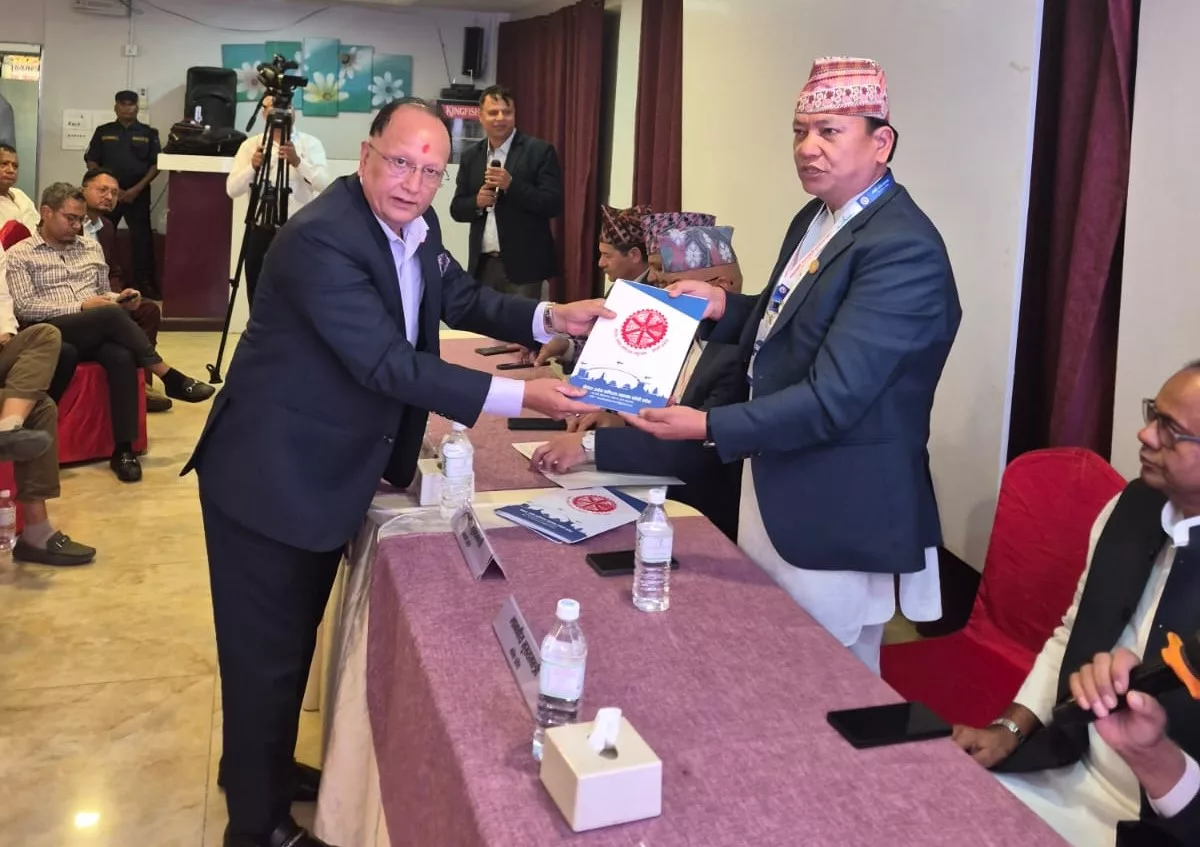
On Tuesday, August 24, 2026, in Biratnagar, the Confederation of Nepalese Industries (CNI), Koshi Province, urged the Nepal Rastra Bank to ensure flexibility and transparency in loan service fees. Led by Provincial President Pawan Kumar Sarda, CNI submitted a formal letter to the central bank governor, stating that the current mandatory 0.25 percent fee limit discourages large investors and the manufacturing sector. CNI proposed that this fee should be treated as a maximum ceiling, allowing banks to reduce or waive it based on loan size and business relations. Furthermore, they recommended tiered fee structures to lower costs for national pride projects, transparent bank lending policies, simplified digital renewal processes, and the elimination of bureaucratic hurdles. Copies of the letter were also sent to the Prime Minister's Office and the Ministry of Finance to revive the investment climate.

Rato Pati
Page 1 of 71